


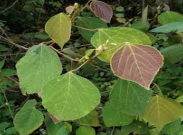
In vitro Evaluation and Molecular Docking Study of the Antibacterial Potential of Macaranga hullettii King ex Hook.f. Leaf Extract
Article Sidebar
Views | PDF/EPUB Downloads:
390
/ 232
/ 74
Main Article Content
Abstract
Due to the resistance of bacteria to antibiotics, there has been increasing interest in the use of plant extracts to combat infections. Plants in the genus Macaranga contain secondary metabolites such as flavonoids with antibacterial properties. Macaranga hullettii King ex Hook.f. are particularly noteworthy due to their widespread distribution in East Kalimantan. This study aimed to investigate the antibacterial potential of M. hullettii leaf extract through in vitro and molecular docking studies. The antibacterial activity of the methanol extract, n-hexane, and ethyl acetate fractions from M. hullettii leaves was evaluated against three bacterial species, Staphylococcus aureus, Streptococcus mutans, and Propionibacterium acnes using the disc diffusion assay. Molecular docking of eleven flavonoid derivatives presents in four Macaranga species was performed against selected bacterial proteins (PDB ID: IJIJ, 3IPK, and 7LBU). The results showed that both the methanol extract and ethyl acetate fraction displayed antibacterial activity against the three bacteria strains, with minimum inhibitory concentrations (MICs) < 0.15%, except for the methanol extract, which had MIC of 0.15-0.31% against Propionibacterium acnes. In addition, molecular docking study showed that four flavonoids possessing prenyl or geranyl groups (6-isoprenyleriodictyol, nymphaeol A, nymphaeol B, and solophenol D) showed the highest binding affinity and dominant hydrogen bonding interactions with key amino acid residues in the binding sites of three bacterial proteins. The findings suggest that the methanol extract and its ethyl acetate fraction from Macaranga hullettii leaves could be a potential source of new antibacterial agents. Further studies are needed to isolate and evaluate the bioactive compounds.
Downloads
Article Details
Section

This work is licensed under a Creative Commons Attribution-NonCommercial-NoDerivatives 4.0 International License.
How to Cite
References
Wong F, de la Fuente-Nunez C, Collins JJ. Leveraging artificial intelligence in the fight against infectious diseases. Science. 2023; 381(6654):164-170. DOI: https://doi.org/10.1126/science.adh1114
Seukep AJ, Kuete V, Nahar L, Sarker SD, Guo M. Plant-derived secondary metabolites as the main source of efflux pump inhibitors and methods for identification. J Pharm Anal. 2020; 10(4):277-290. DOI: https://doi.org/10.1016/j.jpha.2019.11.002
Magadula JJ. Phytochemistry and pharmacology of the genus Macaranga: a review. J Med Plants Res. 2014; 8(12):489-503. DOI: https://doi.org/10.5897/JMPR2014.5396
Vu LT, Ngan TB, Phuong L, Huong DT, Litaudon M, Van Hung N, Thach TD, Van Cuong P. Chemical constitutents from fruits of Macaranga denticulata (Euphorbiaceae) (Part 2). Vietnam J Chem. 2018; 56(4):516-520. DOI: https://doi.org/10.1002/vjch.201800040
Marliana E, Hairani R, Tjahjandarie TS, Tanjung M. Antiplasmodial activity of flavonoids from Macaranga tanarius leaves. IOP Conf Ser Earth Environ Sci. 2018; 144(1):012011 DOI: https://doi.org/10.1088/1755-1315/144/1/012011
Tjahjandarie TS, Tanjung M, Saputri RD, Nadar PB, Aldin MF, Marliana E, Permadi A. Flavestin K, An isoprenylated stilbene from the leaves of Macaranga recurvata Gage. Nat Prod Sci. 2019; 25(3):244-247. DOI: https://doi.org/10.20307/nps.2019.25.3.244
Huong DT, Linh NT, Van TT, Litaudon M, Roussi F, Van Nam V, Van Cuong P. Stilbenes from Macaranga tanarius (Euphorbiaceae) growing in Vietnam. Vietnam J Chem. 2020; 58(3):338-342. DOI: https://doi.org/10.1002/vjch.2019000182
Aldin MF, Tjahjandarie TS, Saputri RD, Tanjung M. Macasiamenene V, a New Stilbenoid from the Leaves of Macaranga inermis. Nat Prod Sci. 2021; 27(1):45-48. DOI: https://doi.org/10.20307/nps.2021.27.1.45
Muharram A, Rachmawati DA, Mardhiyyah S, Tjahjandarie TS, Saputri RD, Ahmat N, Tanjung M. Cytotoxic and antioxidant activities of flavonoids and diterpenoids from Macaranga involucrata (Roxb.) Baill. J Appl Pharm Sci. 2023; 13(6):087-92. DOI: https://doi.org/10.7324/JAPS.2023.101645
Tanjung M, Tjahjandarie TS, Aldin MF, Mardhiyyah S, Ahmat N, Saputri RD. Macagigantin A, A New Flavonoid from Macaranga gigantea (Rchb. f & Zoll.) Mull Arg Nat Prod Sci. 2023; 29(4):287-294. DOI: https://doi.org/10.20307/nps.2023.29.4.287
Tjahjandarie TS, Aldin MF, Saputri RD, Tanjung M. Dihydrostilbenes from Macaranga javanica (Blume) Müll. Arg. and their antiplasmodial activity. Nat Prod Sci. 2024:1-7. DOI: https://doi.org/10.1080/14786419.2024.2342555
Toko EG, Tchapo CED, Tsamo AT, Kemzeu R, Wang Y, Fekam FB, Ndinteh DT, Choudhary MI, Nkengfack EA, Mmutlane EM, Mkounga P. Three New Polyphenol Derivatives from the Fruits of Macaranga Monandra and their Antioxidant Potential. Chem. Biodivers. 2024;21(7):e202301816. DOI: https://doi.org/10.1002/cbdv.202301816
Tanjung M, Tjahjandarie TS, Aldin MF, Mardhiyyah S, Saputri RD, Syah YM, Ahmat N. Two new flavonols from Macaranga inermis pax & K. Hoffm. Nat Prod Sci. 2025; 39(3):498-505. DOI: https://doi.org/10.1080/14786419.2023.2272783
Marliana E, Tjahjandarie TS, Tanjung M. Isoprenylated flavanone derivatives from Macaranga hosei King ex Hook F. Der Pharm Lett. 2015; 7(3):153-156.
Marliana E, Tjahjandarie TS, Tanjung M. Antioxidant activity of flavonoids from Macaranga pearsonii Merr. J Kim Mulawarman. 2016; 13(2):97-100.
Marliana E, Astuti W, Kosala K, Hairani R, Tjahjandarie TS, Tanjung M. Chemical composition and anticancer activity of Macaranga hosei leaves. Asian J Chem. 2018; 30(4):795-798. DOI: https://doi.org/10.14233/ajchem.2018.21004
Marliana E, Ruga R, Hairani R, Tjahjandarie TS, Tanjung M. Antioxidant activity of flavonoid constituents from the leaves of Macaranga tanarius. IOP Conf Ser J Phys. 2019; 1277(1):012014. DOI: https://doi.org/10.1088/1742-6596/1277/1/012014
Saputri RD, Tukiran T, Wati FA, Purnamasari AP, Wardhana MW, Tjahjandarie TS, Tanjung M. Macahuilettiin A, a new isoprenylated flavanone from the leaves of Macaranga hullettii King ex Hook and their antiplasmodial activity. Vietnam J Chem 2024; 62(3):394-398. DOI: https://doi.org/10.1002/vjch.202300417
Musdalifah M, Khumaidi A, Suwastika IN. Inhibition test and phytochemical screening of leaf extracts of Macaranga tanarius (L.) Mull. Arg against Salmonella typhi as an antibacterial. Nat Sci J Sci Technol. 2017; 6(3):9194. DOI: https://doi.org/10.22487/25411969.2017.v6.i3.9194
Ibrahim H, Omosa L, Nchiozem-Ngnitedem V, Onyari J, Maru S, Guefack M. Antibacterial activities and phytochemical screening of crude extracts from Kenyan macaranga species toward MDR phenotypes expressing efflux pumps. Pharmacogn Commun. 2021; 11(2):119-126. DOI: https://doi.org/10.5530/pc.2021.2.22
Bijesh K and Sebastian D. Isolation and characterization of antibacterial compounds from Macaranga peltata against clinical isolates of Staphylococcus aureus. Int J Biol Pharm Res. 2013; 4(12):1196-1203.
Salleh WM, Razak NZ, Ahmad F. Phytochemicals and biological activities of Macaranga hosei and Macaranga constricta (Euphorbiaceae). Marmara Pharm J. 2017; 21(4):881-888. DOI: https://doi.org/10.12991/mpj.2017.11
Slik JW, Priyono P, Welzen PV. Key to the Macaranga Thou. and Mallotus Lour. species (Euphorbiaceae) of East Kalimantan, Indonesia. Singapore, Gardens’ Bulletin (Singapore), National Parks Board, Singapore Botanic Gardens; 2000. 11-87 p.
Amirta R, Angi EM, Ramadhan R, Kusuma IW, Wiati CB, Haqiqi MT. Potential utilization of macaranga. Samarinda: Mulawarman University Press; 2017.
Rismawati R, Marliana E, Daniel D. Phytochemical Test on Methanol Extract of Leaf of Macaranga hullettii King ex Hook. f. J Atomik. 2018; 3(2):91-94.
Hudzicki J. Kirby-Bauer disk diffusion susceptibility test protocol. Am Soc Microbiol. 2009; 15(1):1-23.
Inna M, Astuti W, Saleh C. Antibacterial activity of methanolic extract of uric patch plant leaves (Cayratia carnosa) against Salmonella thypi and Propionibacterium acnes. J Atomik. 2022; 7(1):1-5.
Yulianti MF, Amat AL, Hutasoit RM, Pakan PD. Antibacterial activity of jamblang leaf ethanol extract (Syzygium cumini) against the growth of Propionibacterium acnes. Acta Biochimica Indones. 2023; 6(2):1161. DOI: https://doi.org/10.32889/actabiona.161
Hossain MR, Biplob AI, Sharif SR, Bhuiya AM, Sayem AS. Antibacterial Activity of Green Synthesized Silver Nanoparticles of Lablab purpureus Flowers Extract against Human Pathogenic Bacteria. Trop J Nat Prod Res. 2023;7(8):3647-3651 DOI: https://doi.org/10.26538/tjnpr/v7i8.12
Yanda L, Tatsimo SJ, Tamokou JD, Matsuete-Takongmo G, Meffo-Dongmo SC, Meli Lannang A, Sewald N. Antibacterial and antioxidant activities of isolated compounds from Prosopis africana leaves. Int J Anal Chem. 2022; 2022:4205823. DOI: https://doi.org/10.1155/2022/4205823
Qiu X, Janson CA, Smith WW, Green SM, McDevitt P, Johanson K, Carter P, Hibbs M, Lewis C, Chalker A, Fosberry A. Crystal structure of Staphylococcus aureus tyrosyl‐tRNA synthetase in complex with a class of potent and specific inhibitors. Protein Sci. 2001; 10(10):2008-2016. DOI: https://doi.org/10.1110/ps.18001
Larson MR, Rajashankar KR, Patel MH, Robinette RA, Crowley PJ, Michalek S, Brady LJ, Deivanayagam C. Elongated fibrillar structure of a streptococcal adhesin assembled by the high-affinity association of α-and PPII-helices. Proc Natl Acad Sci. 2010; 107(13):5983-5988. DOI: https://doi.org/10.1073/pnas.0912293107
Yu AC, Volkers G, Jongkees SA, Worrall LJ, Withers SG, Strynadka NC. Crystal structure of the Propionibacterium acnes surface sialidase, a drug target for P. acnes-associated diseases. Glycobiol. 2022; 32(2):162-170. DOI: https://doi.org/10.1093/glycob/cwab094
Jakubec D, Skoda P, Krivak R, Novotny M, Hoksza D. PrankWeb 3: accelerated ligand-binding site predictions for experimental and modelled protein structures. Nucl Acids Res. 2022; 50:(W1):W593-W597. DOI: https://doi.org/10.1093/nar/gkac389
Dallakyan S and Olson AJ. Small-molecule library screening by docking with PyRx. Methods Mol Biol. 2014; 1263:243-250. DOI: https://doi.org/10.1007/978-1-4939-2269-7_19
Trott O and Olson AJ. AutoDock Vina: improving the speed and accuracy of docking with a new scoring function, efficient optimization, and multithreading. J Comput Chem. 2010; 31(2):455-461. DOI: https://doi.org/10.1002/jcc.21334
Malangu N. ed. Poisoning: From Specific Toxic Agents to Novel Rapid and Simplified Techniques for Analysis. BoD–Books on Demand; 2017. DOI: https://doi.org/10.5772/65817
Sari AA and Saleh C. Phytochemical test, toxicity and antibacterial activity of extracts of various macaranga leaf fractions (Macaranga tanarius (L.) MA) against Staphylococcus aureus and Escherichia coli. J Kim Mulawarman. 2015; 12(2):53-58.
Imelda R, Mariam M, Satari M. Effect of cassava (Manihot esculenta cranzt), rice (oryza sativa l.), and potato (solanum tuberosum) water extract to decrease pH phase fermentation of streptococcus mutans atcc 25175. Padjajaran J Dent. 2019; 31(1):14. DOI: https://doi.org/10.24198/pjd.vol31no1.21156
Alkhaled A, Alsabek L, Al-assaf M, Badr F. Effect of chlorhexidine, honey and propolis on streptococcus mutans counts: in vitro study. Dentistry. 2021; 9(1):a001. DOI: https://doi.org/10.5195/d3000.2021.166
Ren Z, Chen L, Li J, Li Y. Inhibition of Streptococcus mutans polysaccharide synthesis by molecules targeting glycosyltransferase activity. J Oral Microbiol. 2016; 8(1):31095. DOI: https://doi.org/10.3402/jom.v8.31095
Lee BS, Chen YJ, Wei TC, Ma TL, Chang CC. Comparison of antibacterial adhesion when salivary pellicle is coated on both poly (2-hydroxyethyl-methacrylate)-and polyethylene-glycol-methacrylate-grafted poly (methyl methacrylate). Int J Mol Sci. 2018; 19(9):2764. DOI: https://doi.org/10.3390/ijms19092764
Chen KC, Yang CH, Li TT, Zouboulis CC, Huang YC. Suppression of Propionibacterium acnes‐stimulated proinflammatory cytokines by Chinese bayberry extracts and its active constituent myricetin in human sebocytes in vitro. Phytother Res. 2019; 33(4):1104-1113. DOI: https://doi.org/10.1002/ptr.6304
Xu J, Chen X, Song J, Wang C, Xu W, Tan H, Suo H. Antibacterial activity and mechanism of cell-free supernatants of Lacticaseibacillus paracasei against Propionibacterium acnes. Microb. Pathog. 2024; 189:106598 DOI: https://doi.org/10.1016/j.micpath.2024.106598
Warnida H, Mustika D, Supomo S, Sukawaty Y. Effectiveness of Mahang Leaf Ethanol Extract (Macaranga Triloba) as an anti-acne. J Penelit. Sos. Ekon. Kehuta. 2018; 4(1):9-18.
Schütz BA, Wright AD, Rali T, Sticher O. Prenylated flavanones from leaves of Macaranga pleiostemona. Phytochem. 1995; 40(4):1273-1277. DOI: https://doi.org/10.1016/0031-9422(95)00508-5
Lim TY, Lim YY, Yule CM. Evaluation of antioxidant, antibacterial and anti-tyrosinase activities of four Macaranga species. Food Chem. 2009; 114(2):594-599. DOI: https://doi.org/10.1016/j.foodchem.2008.09.093
Fareza MS, Syah YM, Mujahidin D, Juliawaty LD, Kurniasih I. Antibacterial flavanones and dihydrochalcones from Macaranga trichocarpa. Z. Naturforsch C J Biosci. 2014; 69(9-10):375-380. DOI: https://doi.org/10.5560/znc.2014-0066
Hasanat A, Kabir MS, Hossain MM, Hasan M, Al Masum MA, Chowdhury TA, Bhuiyan DI, Mamur A, Kibria AS. Antibacterial activity of methanol extract of Macaranga denticulata leaves and in silico PASS prediction for its six secondary metabolites. World J Pharm Pharm. Sci. 2015:1258-1266.
O Akanbi B, Anene P, Olayanju S. Preliminary Screening Indicates Promising Antimicrobial Properties of the Stem Bark Extracts of Macaranga rosea. Anti-Infective Agents. 2015; 13(2):123-128. DOI: https://doi.org/10.2174/2211352513666150516003144
Ogundajo A, Okeleye B, Ashafa AO. Chemical constituents, in vitro antimicrobial and cytotoxic potentials of the extracts from Macaranga barteri Mull-Arg. Asian Pac J Trop Biomed. 2017; 7(7):654-659. DOI: https://doi.org/10.1016/j.apjtb.2017.06.014
Putri R, Hendra R, Teruna HY. Anti-Bacterial and Anti-Fungal Activities from Macaranga bancana Leaves Extract. Pharmacol Clin Pharm Res. 2019; 4(1):1-4. DOI: https://doi.org/10.15416/pcpr.v4i1.21376
Lee JH, Kim YG, Khadke SK, Yamano A, Woo JT, Lee J. Antimicrobial and antibiofilm activities of prenylated flavanones from Macaranga tanarius. Phytomed. 2019; 63:153033. DOI: https://doi.org/10.1016/j.phymed.2019.153033
Pagna JI, Awazi T, Mbarga PE, Mbekou IM, Mkounga P, Fotie J, Frese M, Fabrice FB, Lenta BN, Sewald N, Nkengfack EA. Antibacterial flavonoids from the fruits of Macaranga hurifolia. J Asian Nat Prod Res. 2022; 24(11):1041-1051. DOI: https://doi.org/10.1080/10286020.2021.2019223
Kamso VF, Simo Fotso CC, Kanko Mbekou IM, Tousssie BT, Ndjakou Lenta B, Boyom FF, Sewald N, Frese M, Ngadjui BT, Wabo Fotso G. Chemical constituents of Macaranga occidentalis, antimicrobial and chemophenetic studies. Molecules. 2022; 27(24):8820. DOI: https://doi.org/10.3390/molecules27248820
Rosamah E, Haqiqi MT, Putri AS, Kuspradini H, Kusuma IW, Amirta R, Yuliansyah Y, Suwinarti W, Paramita S, Ramadhan R, Tarmadi D. The potential of Macaranga plants as skincare cosmetic ingredients: A review. J Appl Pharm Sci. 2023; 13(7):001-12. DOI: https://doi.org/10.7324/JAPS.2023.77745
Li AP, He YH, Zhang SY, Shi YP. Antibacterial activity and action mechanism of flavonoids against phytopathogenic bacteria. Pestic Biochem Physiol. 2022; 188:105221. DOI: https://doi.org/10.1016/j.pestbp.2022.105221
Chen YW, Ye SR, Ting C, Yu YH. Antibacterial activity of propolins from Taiwanese green propolis. J Food Drug Anal. 2018; 26(2):761-768. DOI: https://doi.org/10.1016/j.jfda.2017.10.002
Inui S, Hosoya T, Shimamura Y, Masuda S, Ogawa T, Kobayashi H, Shirafuji K, Moli RT, Kozone I, Shin-ya K, Kumazawa S. Solophenols B–D and Solomonin: New Prenylated Polyphenols Isolated from Propolis Collected from The Solomon Islands and Their Antibacterial Activity. J Agric Food Chem. 2012; 60(47):11765-11770. DOI: https://doi.org/10.1021/jf303516w
Ruga R, Kingkaew K, Tamsampaoloet K, Chavasiri W. Enhancing antibacterial activity against Propionibacterium acnes and Staphylococcus aureus by combination of tetracycline with selected compounds. Chem Lett. 2018; 47(12):1538-1541. DOI: https://doi.org/10.1246/cl.180696