


Safety Assessment and Antioxidant Enhancing Activity of Polyphenolic-rich Extract of Illicium verum (Star Anise) Fruit in Drosophila melanogaster
Article Sidebar
Views | PDF/EPUB Downloads:
68
/ 34
/ 27
Main Article Content
Abstract
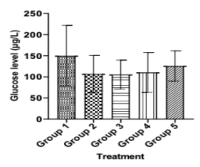
Polyphenols are organic compounds found in plants and are beneficial to health. They have great pharmacological properties; however, they can be harmful in high doses. Illicium verum Hook.f ((Schisandraceae), star anise) is an oriental spice used in culinary and therapeutics. It is rich in polyphenols and has been used to manage several diseases, including obesity and diabetes. This study assessed the toxicological effect of the polyphenolic-rich extract of Illicium verum (PEIV) fruit on Drosophila melanogaster (fruit flies). Flies (n = 5 vials; 50 flies/vial) were distributed into five groups based on a graded dose (0, 0.25, 0.5, 1 and 2 mg/g) of a PEIV-supplemented diet for 21 days. On the 21st day, the flies' behavioural activity (geotaxis test) was assessed for the safety of PEIV on the flies, and thereafter, the whole flies were homogenised for biochemical functions (glucose (GLU), reduced glutathione (GSH), total thiol (TSH), glutathione-S-transferase (GST) and acetylcholinesterase (AChE. This study shows that PEIV has no significant effect on the locomotive ability of the flies. Also, when compared with the control, no significant difference (p > 0.05) was observed in the levels of GLU, GSH and TSH. In addition, compared with the control, the activities of GST and AChE were not affected. This study suggests that PEIV, at the tested doses, did not affect the behavioural and biochemical parameters in the flies and could be considered safe for therapeutic purposes and human consumption. However, a chronic evaluation study may be considered to confirm the findings of this study.
Downloads
Article Details
Section

This work is licensed under a Creative Commons Attribution-NonCommercial-NoDerivatives 4.0 International License.
How to Cite
References
1. Sofowora A, Ogunbodede E, Onayade A. The role and place of medicinal plants in the strategies for disease prevention. Afr. J. Tradit. Complement. Altern. Med. 2013;10(5):210-229.
2. Anadozie SO, Akinyemi JA, Agunbiade S, Ajiboye BO, Adewale OB. Bryophyllum pinnatum inhibits arginase II activity and prevents oxidative damage occasioned by carbon tetrachloride (CCl4) in rats. Biomed Pharmacother. 2018;101:8-13.
3. Fayiah M, Fayiah MS, Saccoh S, Kallon MK. Value of herbal medicine to sustainable development. Herbal Medicine Phytochemistry: Applications and Trends. Springer; 2024. 1429-1456 p.
4. Velu G, Palanichamy V, Rajan AP. Phytochemical and pharmacological importance of plant secondary metabolites in modern medicine. Bioorganic phase in natural food: an overview. 2018:135-156 p.
5. Karimi A, Majlesi M, Rafieian-Kopaei M. Herbal versus synthetic drugs; beliefs and facts. J. Nephropharmacol. 2015;4(1):27.
6. Singla RK, Dubey AK, Garg A, Sharma RK, Fiorino M, Ameen SM, et al. Natural polyphenols: Chemical classification, definition of classes, subcategories, and structures. Oxford University Press; 2019. 1397-1400 p.
7. Sobhani M, Farzaei MH, Kiani S, Khodarahmi R. Immunomodulatory; anti-inflammatory/antioxidant effects of polyphenols: a comparative review on the parental compounds and their metabolites. Food Rev. Int. 2021;37(8):759-811.
8. Tuladhar P, Sasidharan S, Saudagar P. Role of phenols and polyphenols in plant defense response to biotic and abiotic stresses. InBiocontrol agents and secondary metabolites. Woodhead Publishing. Elsevier; 2021. 419-441 p.
9. Olszowy M. What is responsible for antioxidant properties of polyphenolic compounds from plants? Plant Physiol. Biochem. 2019;144:135-143.
10. Gasmi A, Mujawdiya PK, Noor S, Lysiuk R, Darmohray R, Piscopo S, et al. Polyphenols in metabolic diseases. Molecules. 2022;27(19):6280.
11. Rudrapal M, Khairnar SJ, Khan J, Dukhyil AB, Ansari MA, Alomary MN, et al. Dietary polyphenols and their role in oxidative stress-induced human diseases: Insights into protective effects, antioxidant potentials and mechanism (s) of action. Front. Pharmacol. 2022;13:806470.
12. Tresserra-Rimbau A, Lamuela-Raventos RM, Moreno JJ. Polyphenols, food and pharma. Current knowledge and directions for future research. Biochem. Pharmacol. 2018;156:186-195.
13. Rahman MM, Rahaman MS, Islam MR, Rahman F, Mithi FM, Alqahtani T, et al. Role of phenolic compounds in human disease: current knowledge and future prospects. Molecules. 2021;27(1):233.
14. Sun W, Shahrajabian MH. Therapeutic potential of phenolic compounds in medicinal plants—Natural health products for human health. Molecules. 2023;28(4):1845.
15. De Filippis L. Plant secondary metabolites: From molecular biology to health products. Plant‐Environment Interaction: Responses and Approaches to Mitigate Stress. 2016:263-299.
16. Costa M, Sezgin-Bayindir Z, Losada-Barreiro S, Paiva-Martins F, Saso L, Bravo-Díaz C. Polyphenols as antioxidants for extending food shelf-life and in the prevention of health diseases: encapsulation and interfacial phenomena. Biomedicines. 2021;9(12):1909.
17. Jackson CJC, Paliyath G. Functional foods and nutraceuticals. Functional foods, nutraceuticals, and degenerative disease prevention. 2011:11-43.
18. Cory H, Passarelli S, Szeto J, Tamez M, Mattei J. The role of polyphenols in human health and food systems: A mini-review. Front. Nutr. 2018;5:370438.
19. Imam MU, Zhang S, Ma J, Wang H, Wang F. Antioxidants mediate both iron homeostasis and oxidative stress. Nutrients. 2017;9(7):671.
20. Andres S, Abraham K, Appel KE, Lampen A. Risks and benefits of dietary isoflavones for cancer. Crit. Rev. Toxicol. 2011;41(6):463-506.
21. Zou Q, Huang Y, Zhang W, Lu C, Yuan J. A Comprehensive Review of the Pharmacology, Chemistry, Traditional Uses and Quality Control of Star Anise (Illicium verum Hook. F.): An Aromatic Medicinal Plant. Molecules. 2023;28(21):7378.
22. Singh S, Verma R. Comprehensive review on pharmacological potential of Illicium verum, Chinese herb. Pharmacol. Res. - Mod. Chin. Med. 2024;10:100411.
23. Patra JK, Das G, Bose S, Banerjee S, Vishnuprasad CN, del Pilar Rodriguez‐Torres M, Shin HS. Star anise (Illicium verum): Chemical compounds, antiviral properties, and clinical relevance. Phytother. Res. 2020;34(6):1248-1267 p.
24. Joicy MC, Sivaraj C, Arumugam P. In-vitro antioxidant, antidiabetic, antibacterial and cytotoxic activities of essential oil extracted from flowers of Illicium verum L. Res J Pharm Technol. 2021;14(5):2452-2458.
25. Sharafan M, Jafernik K, Ekiert H, Kubica P, Kocjan R, Blicharska E, et al. Illicium verum (Star Anise) and Trans-Anethole as Valuable Raw Materials for Medicinal and Cosmetic Applications. Molecules. 2022;27(3):27030650.
26. Idris AAM, Asman S, Mohamed MH, Ali MANM, Sulaimi WMFHW. Identifying the phytochemical content in Illicium verum (Star Anise) extracts prepared with different polarity solvents based on a simple maceration method. EKST. 2024;4(1):217-222 p.
27. Naseri-Karimi N, Vatandoost H, Sedaghat MM, Moosa-Kazemi SH, Amidi F, Oshaghi MA. Drosophila melanogaster Laboratory Rearing for Wolbachia-Based Control Programs, a Component of Dengue Control. J. Arthropod. Borne Dis. 2023;17(3):214.
28. Taghli-Lamallem O, Plantié E, Jagla K. Drosophila in the heart of understanding cardiac diseases: modeling channelopathies and cardiomyopathies in the fruitfly. J. Cardiovasc. Dev. Dis. 2016;3(1):7.
29. Anadozie SO, Aduma AU, Adewale OB. Alkaloid-rich extract of Buchholzia coriacea seed mitigate the effect of copper-induced toxicity in Drosophila melanogaster. Vegetos. 2023:1-9.
30. Chatterjee N, Perrimon N. What fuels the fly: Energy metabolism in Drosophila and its application to the study of obesity and diabetes. Sci. Adv. 2021;7(24):eabg4336.
31. Ajila C, Brar S, Verma M, Tyagi R, Godbout S, Valéro J. Extraction and analysis of polyphenols: recent trends. Crit. Rev. Biotechnol. 2011;31(3):227-249.
32. Adedara IA, Abolaji AO, Rocha JB, Farombi EO. Diphenyl diselenide protects against mortality, locomotor deficits and oxidative stress in Drosophila melanogaster model of manganese-induced neurotoxicity. Neurochem. Res. 2016;41:1430-1438.
33. Ellman GL, Courtney KD, Andres Jr V, Featherstone RM. A new and rapid colorimetric determination of acetylcholinesterase activity. Biochem. Pharmacol. 1961;7(2):88-95.
34. Galant A, Kaufman R, Wilson J. Glucose: Detection and analysis. Food Chem. 2015;188:149-160.
35. Green LC, Wagner DA, Glogowski J, Skipper PL, Wishnok JS, Tannenbaum SR. Analysis of nitrate, nitrite, and [15N] nitrate in biological fluids. Anal. Biochem. 1982;126(1):131-138.
36. Ellman GL. Tissue sulfhydryl groups. Arch. Biochem. Biophys. 1959;82(1):70-77.
37. Salinas AE, Wong MG. Glutathione S-transferases-a review. Curr. Med. Chem. 1999;6(4):279-310.
38. Claiborne A. Catalase activity. Handbook methods for oxygen radical research. CRC press; 2018. p. 283-284.
39. Zhou X, Li C-G, Chang D, Bensoussan A. Current status and major challenges to the safety and efficacy presented by Chinese herbal medicine. Medicines. 2019;6(1):14.
40. Kapadia P, Newell AS, Cunningham J, Roberts MR, Hardy JG. Extraction of high-value chemicals from plants for technical and medical applications. Int. J. Mol. Sci. 2022;23(18):10334.
41. Sun W, Shahrajabian MH, Cheng Q. Anise (Pimpinella anisum L.), a dominant spice and traditional medicinal herb for both food and medicinal purposes. Cogent Biol. 2019;5(1):1673688.
42. Pahore AK, Khan S, Karim N. Illicium verum anticancer activity against MDA-MB-231 cell line. PaK J Med Sci. 2024;40(1Part-I):110.
43. Jones MA, Grotewiel M. Drosophila as a model for age-related impairment in locomotor and other behaviors. Exp. Gerontol. 2011;46(5):320-325.
44. Grillner S, El Manira A. Current principles of motor control, with special reference to vertebrate locomotion. Physiol. Rev. 2019.
45. Vastegani SM, Khoshnam SE, Mansouri E, Hajipour S, Ghafouri S, Bakhtiari N, et al. Neuroprotective effect of anethole against rotenone induced non-motor deficits and oxidative stress in rat model of Parkinson’s disease. Behav. Brain Res. 2023;437:114100.
46. Anadozie SO, Akinyemi JA, Adewale OB, Isitua CC. Prevention of short-term memory impairment by Bryophyllum pinnatum (Lam.) Oken and its effect on acetylcholinesterase changes in CCl4-induced neurotoxicity in rats. J. Basic Clin. Physiol. 2019;30(5). 1515
47. Chen Z-R, Huang J-B, Yang S-L, Hong F-F. Role of Cholinergic Signaling in Alzheimer’s Disease. Molecules. 2022;27(6):1816.
48. Cui Z, Chen H, Lu W, Wang P, Zhou Z, Zhang N, et al. The Association Between Plasma Copper Concentration and Prevalence of Diabetes in Chinese Adults With Hypertension. Public Health Front. 2022;10:888219.
49. Gembillo G, Labbozzetta V, Giuffrida AE, Peritore L, Calabrese V, Spinella C, et al. Potential Role of Copper in Diabetes and Diabetic Kidney Disease. Metabolites. 2022;13(1):17.
50. Khan HN, Rasheed S, Choudhary MI, Ahmed N, Adem A. Anti-glycation properties of Illicium verum Hook. f. fruit in-vitro and in a diabetic rat model. BMC Complement. Med. Ther. 2022;22(1):79.
51. Oyetayo BO, Abolaji AO, Fasae KD, Aderibigbe A. Ameliorative role of diets fortified with Curcumin in a Drosophila melanogaster model of aluminum chloride-induced neurotoxicity. J. Funct. Foods. 2020;71:104035.
52. Abolaji AO, Fasae KD, Iwezor CE, Aschner M, Farombi EO. Curcumin attenuates copper-induced oxidative stress and neurotoxicity in Drosophila melanogaster. Toxicol. Rep. 2020;7:261-268.
53. Durán WN, Breslin JW, Sánchez FA. The NO cascade, eNOS location, and microvascular permeability. Cardiovasc. Res. 2010;87(2):254-261.
54. Lundberg JO, Weitzberg E. Nitric oxide signaling in health and disease. Cell. 2022;185(16):2853-2878.
55. Majali IS. Antioxidant and Anti-Inflammatory Activity of Star Anise (Illicium verum) in Murine Model. Biomed. Pharmacol. J. 2022;15(2):1097-1108.
56. Averill-Bates DA. Chapter Five - The antioxidant glutathione. In: Litwack G, editor. Vitamins and Hormones. Academic Press; 2023. p. 109-141.
57. Hussein MS, Ahmed KA. Illicium verum extracts anti-gastro ulcerogenic potential on experimentally rat models. Int J Pharma Tech Res. 2016;9(5):65-80.
58. Pastore A, Piemonte F. S-Glutathionylation signaling in cell biology: progress and prospects. Eur. J. Pharm. Sci. 2012;46(5):279-292.