


Formulation and Assessment of Physical Characteristics of Beta vulgaris L Extract Body Lotion as a Moisturizer
Article Sidebar
Views | PDF/EPUB Downloads:
84
/ 48
/ 24
Main Article Content
Abstract
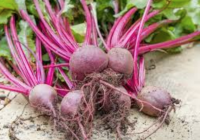
Lower-limb prostheses function as biomechanical substitutes that restore mobility in amputees. Despite their functional benefits, prolonged prosthesis use is often associated with adverse cutaneous reactions, including hyperkeratotic lesions, proliferative skin changes, cystic formations, and hypersensitivity responses. Friction and the accumulation of reactive oxygen species (ROS) aggravate these complications, collectively hindering the tissue healing process. The objective of this research was to formulate and assess a beetroot (Beta vulgaris L.) extract-based body lotion as an auxiliary therapy, utilizing its antioxidant potential to minimize oxidative stress and friction. Beetroot extract was obtained via maceration in 70% ethanol, and subsequently incorporated into a lotion base with appropriate excipients. The lotion’s physical properties were examined through conventional stability and performance assessments, and antioxidant activity was evaluated using the 2,2-diphenyl-1-picrylhydrazyl (DPPH) radical scavenging assay. While the formulation met cosmetic quality benchmarks, its adhesion performance was below the desired threshold. Antioxidant activity evaluation showed a very strong activity level, reflected by an IC₅₀ value of 47.90 ppm. These findings suggest that beetroot extract body lotion holds promise as a supplementary skincare intervention for lower-limb amputees, potentially enhancing comfort and cutaneous resilience during prosthesis use.
Downloads
Article Details
Section

This work is licensed under a Creative Commons Attribution-NonCommercial-NoDerivatives 4.0 International License.
How to Cite
References
1.Choo YJ, Kim DH, Chang MC. Amputation Stump Management: A Narrative Review. World J Clin Cases. 2022; 10(13):3981–3988.
2.Sihotang LIR, Dalimunthe GI, Lubis MS, Yuniarti R. Eyeshadow formulation combination of beetroot (Beta vulgaris L.) and turmeric rhizome (Curcuma longa L.) in extract and nano extract comparison. J Pharm Sci. 2024; 7(4)776–795.
3.Gong S, Jiao C, Guo L. Antibacterial Mechanism of Beetroot (Beta vulgaris) Extract Against Listeria monocytogenes
Through Apoptosis-Like Death and Its Application in Cooked Pork. LWT. 2022; 165:113711.
4.Arthania T, Purwati E, Puspadina V, Safitri CINHH. Formulation and Physical Quality Test of Pear kin Extract Body Lotion (Pyrus bretschneideri). Proceedings of the National Seminar on Biology and Science Education (SNPBS). 2021; 416–422 p.
5.Ananda TP, Febriani Y, Sudewi S. Body lotion formulation from bit (Beta vulgaris L.) ethanol extract as skin moisturizer and antioxidant. Journal of Pharmaceutical and Sciences. 2023; 6(3), 980–988.
6.Rahmawanty D, Annisa N, Sari DI. Formulation of Cosmetic (Antioxidant Lotion) from Bangkal (Nauclea subdita (Korth.) Steud.). Proceedings of the National Seminar on Wetland and Environment. 2020; 5(2):25–29 p.
7.Kusumawati AH, Munawaroh A, Fikayuniar L. Formulation and Physical Evaluation of Body Lotion Preparation of Kacip Fatimah (Labisia pumila) Ethanolic Extracts as Antioxidant. IOP Conf Ser Mater Sci Eng. 2021; 1071(1):012010.
8.Solanki H, Verma VS, Sharma M, Singh A, Sharma G, Majumdar M. Natural Humectants in Formulation of Calamine Lotion: Its Evaluation and Comparison. Res J Top Cosmet Sci. 2016; 7(2):41.
9.Suryani A and Wahyuni T. Hand & Body Lotion Formulation with Tomato Seed Oil (Solanum lycopersicum L.): Innovative Study of Moisturizer and Antioxidant for Skin Care. J Med Pharm Sci. 2025; 4(1):60–71.
10.Ramayani SL, Rohmawati F, Rahmadani YS. The Effect of Material to Solvent Ratio to the Flavonoid Content and Free Radical Scavenging Activity of Extract of Morinda citrifolia L Leaves. J Jamu Indonesia. 2022; 7(2):56–61.
11.Megantara INAP, Megayanti K, Wirayanti R, Esa IBD, Wijayanti NPAD, Yustiantara PS. Lotion Formulation of Raspberry Fruit Extract (Rubus rosifolius) With Varied Concentration of Triethanolamine as an Emulsifier and Hedonic Test of the Lotion. J Farm Udayana. 2017; 6(1):1.
12.Lambers H, Piessens S, Bloem A, Pronk H, Finkel P. Natural Skin Surface pH Is on Average Below 5, Which Is Beneficial for Its Resident Flora. Int J Cosmet Sci. 2006; 28(5):359–370.
13.Fransiska D, Darmawan M, Sinurat E, Sedayu BB, Wardhana YW, Herdiana Y. Characteristics of Oil in Water (o/w) Type Lotions Incorporated with Kappa/Iota Carrageenan. IOP Conf Ser Earth Environ Sci. 2021; 715(1):012050.
14.Adahane EFP, Isnindar I, Luliana S. Formulation and Sunscreen Activity Test of Lotion of Buas-Buas (Premna serratifolia Linn.) Leaf Extract. Maj Obat Trad. 2024; 29(1):62.
15.Molyneux P. The Use of the Stable Free Radical Diphenylpicryl-hydrazyl (DPPH) for Estimating Antioxidant Activity. Songklanakarin J Sci Technol. 2004; 26:211–219.
16.Munteanu IG and Apetrei C. Analytical Methods Used in Determining Antioxidant Activity: A Review. Int J Mol Sci. 2021; 22(7):3380.
17.Dewi IK, Ramayani SL, Arsyanah F. Antioxidant and Sunscreen Activities of Tamarind (Tamarindus indica L.) Rind Ethanol Extract Cream. Trop J Nat Prod Res. 2024; 8(8):8043–8046.
18.Sousa R, Figueirinha A, Batista MT, Pina ME. Formulation Effects in the Antioxidant Activity of Extract from the Leaves of Cymbopogon citratus (DC) Stapf. Molecules. 2021; 26(15):4518